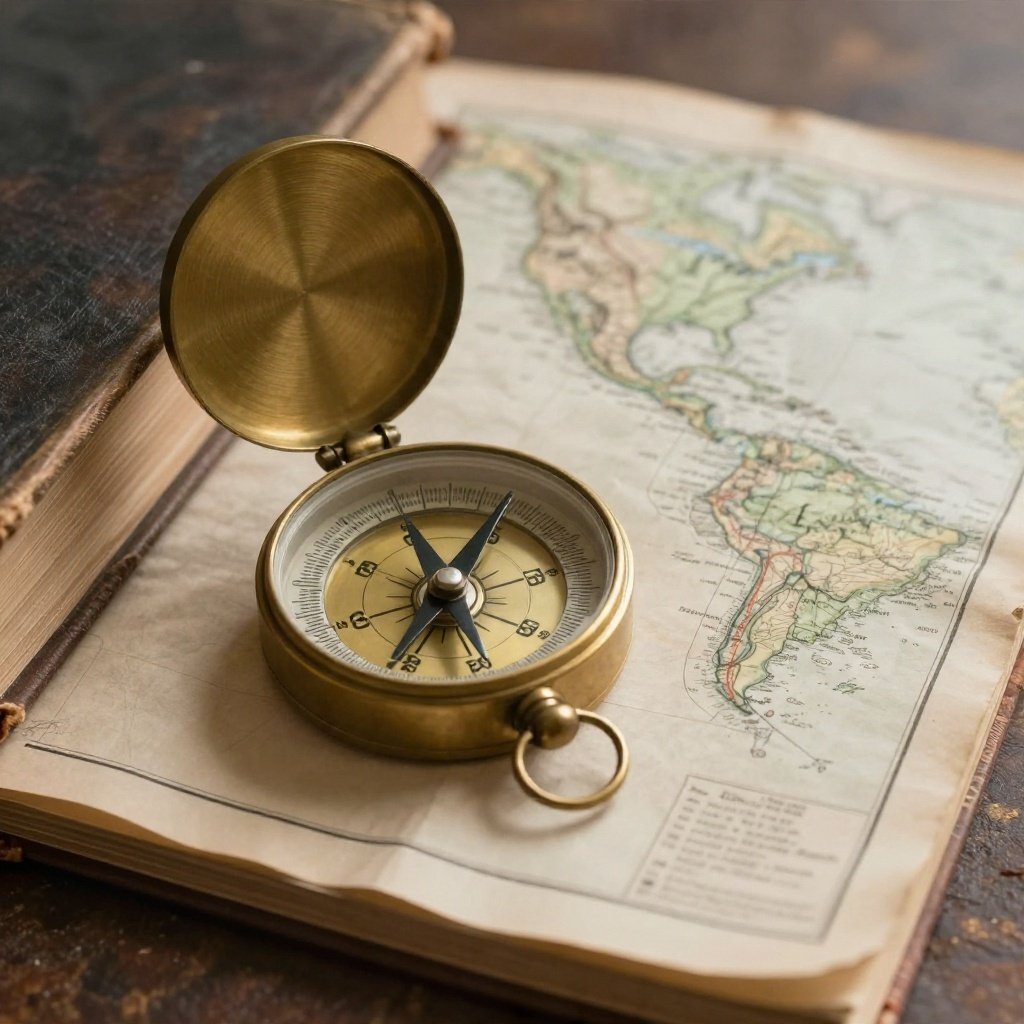
Wisdom WinsHistory saves tomorrow's troubleTimmy Why fix the same disaster twice? If history leaves clues, shouldn't we use them before the bridge breaks?Narrator Because a clever person solves a problem once, but a wise person studies why it happened and avoids repeating it.Mrs. Parker Then explain this, Timmy: how do you turn yesterday's mess into tomorrow's warning?Narrator First, name the failure. Then find its trigger, its cost, and the choice that could have stopped it.Narrator But don't copy the surface. Extract the mechanism: pressure, delay, missing information, or one unchecked assumption.Timmy So we test the mechanism against a few futures, not every possible future. Bruteforcing all of them would bury us in calculations.Narrator Use history as a filter: reject choices that repeat the trigger, then choose the smallest action that breaks the chain.Mrs. Parker So the clever answer repairs the bridge after it breaks, but the wise answer notices the crack before anyone steps onto it.Timmy Then dream bigger: let history do the warning, let imagination test the road, and keep the bridge unused until it's safe.Plot: A clever person solves a problem. A wise person avoids it. You need the ability to look at history and distil its lessons. Bruteforcing future scenarios is compute intensive. Dream! @Timmy: Resourceful 8yr old @Mrs. Parker: Unpredictable Examiner +Theme: Rendered in the style of 20th-century realist narrative art, this image features meticulous attention to detail and composition, with an emphasis on capturing everyday moments. The lighting is soft and natural, enhancing a sense of intimacy and authenticity. The color palette is warm and muted, contributing to a nostalgic atmosphere. The overall effect is cinematic, inviting viewers to immerse themselves in a contemplative and serene environment.